For homes
We work on houses, condos and townhomes across the valley. You get a plain explanation of what failed and what it takes to fix it.
- Warm air from the vents
- Ice on the copper lines
- Water near the air handler
When your house hits 88 degrees by noon, you need Air Conditioning Service Las Vegas NV that shows up and actually fixes the problem. We handle residential AC service Las Vegas homeowners rely on: weak airflow, warm vents, tripped breakers, frozen coils and units that run nonstop without cooling. Our techs carry gauges, capacitors and refrigerant on the truck, so most calls end with cold air the same visit.
 Gauge readingsAmp draw testTemperature split
Every visit starts with a full diagnostic and ends with verified cooling. Parts and refrigerant are quoted separately once we know what failed, so you are never paying for work your system does not need.
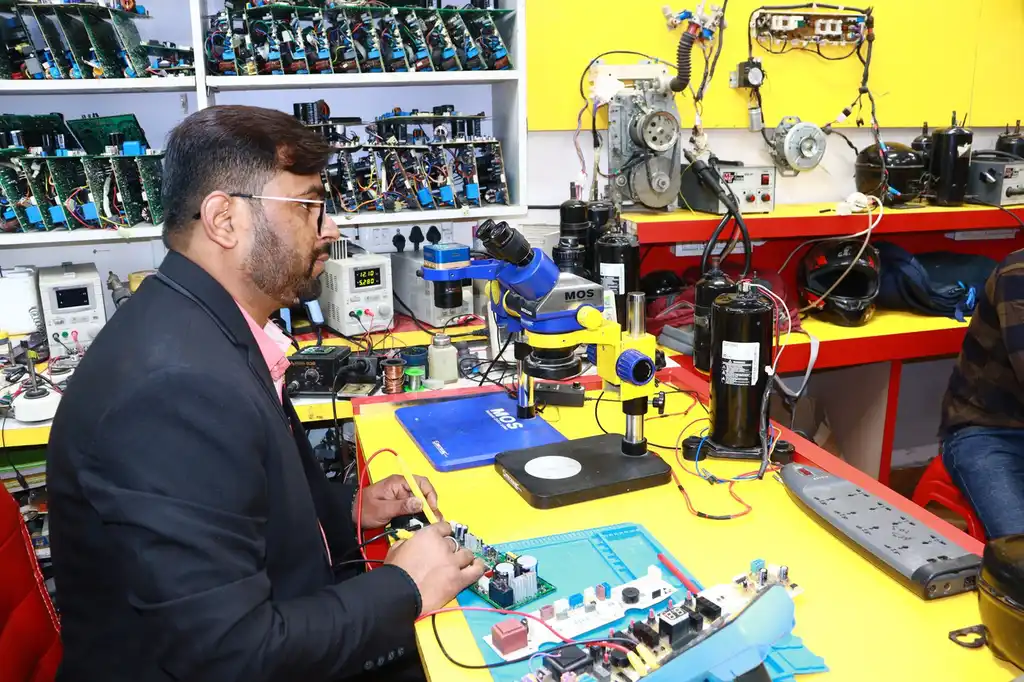
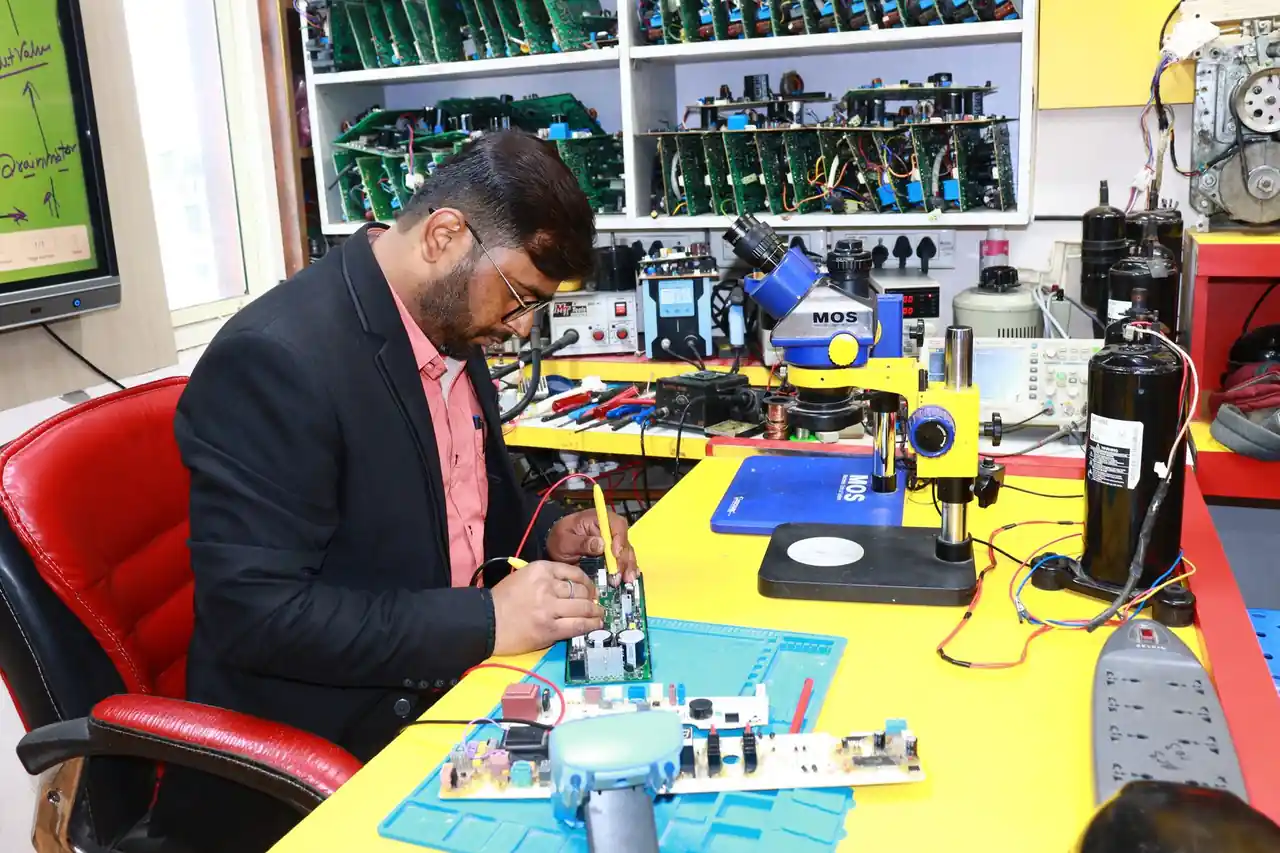
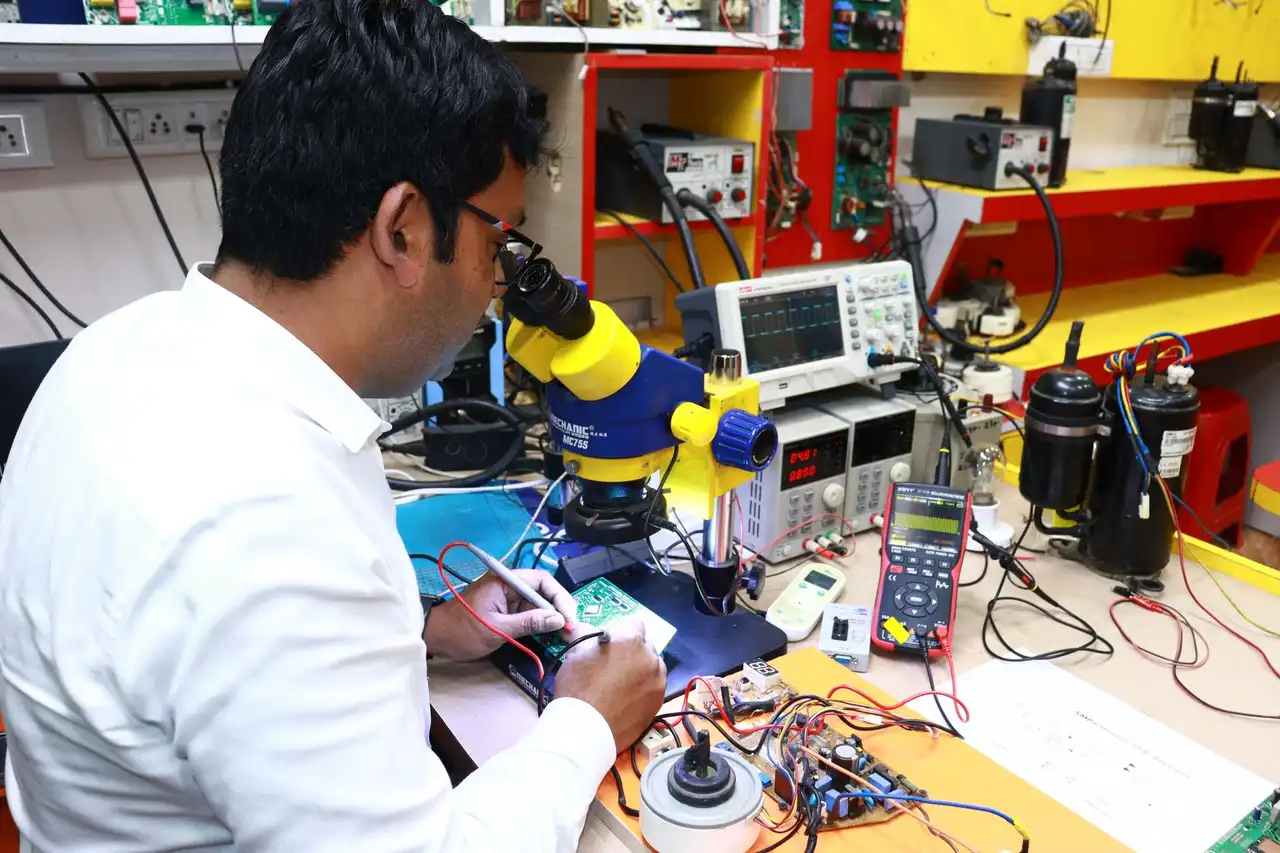
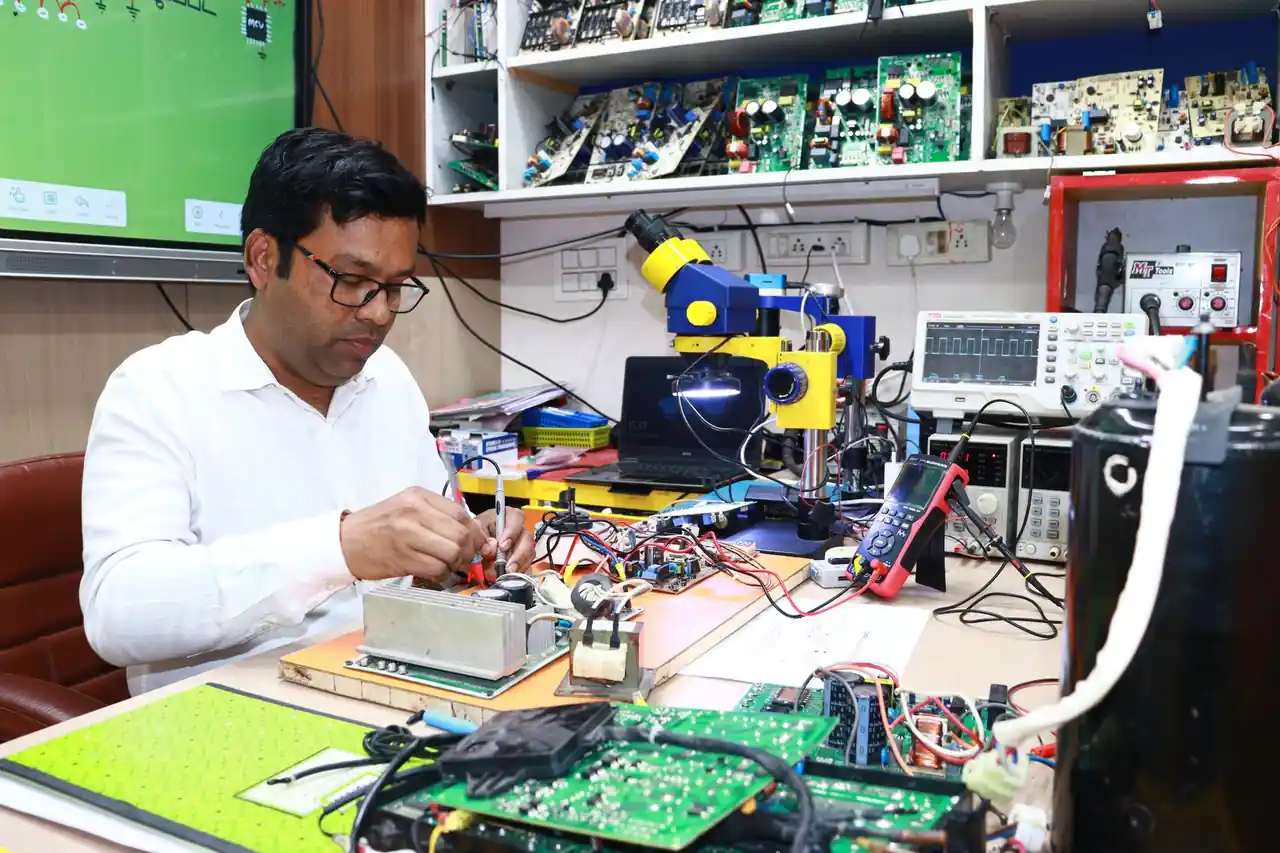
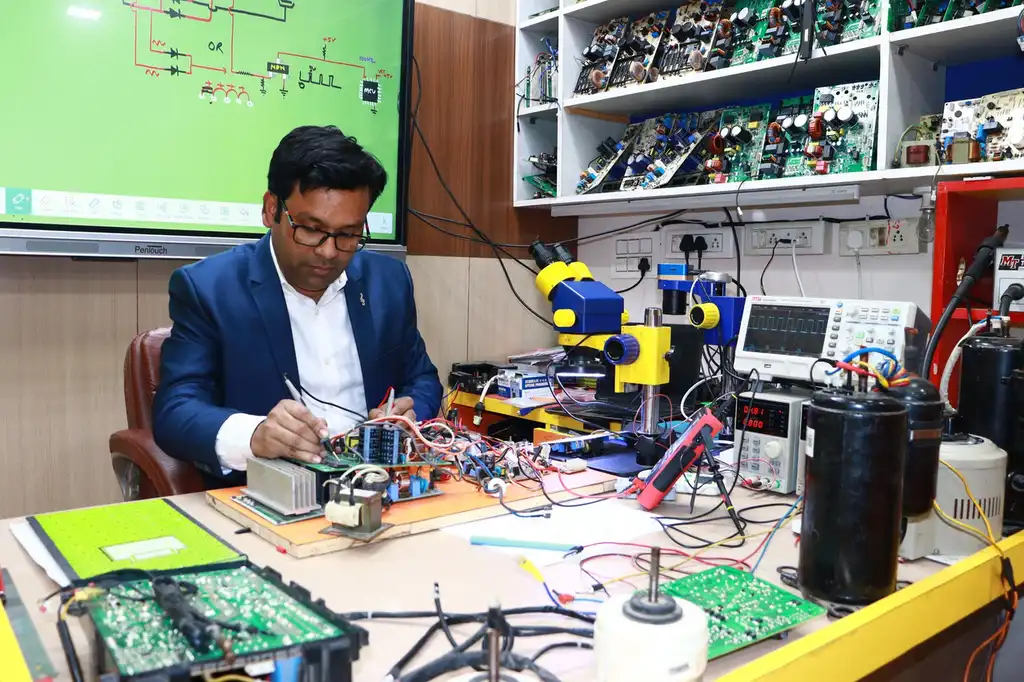
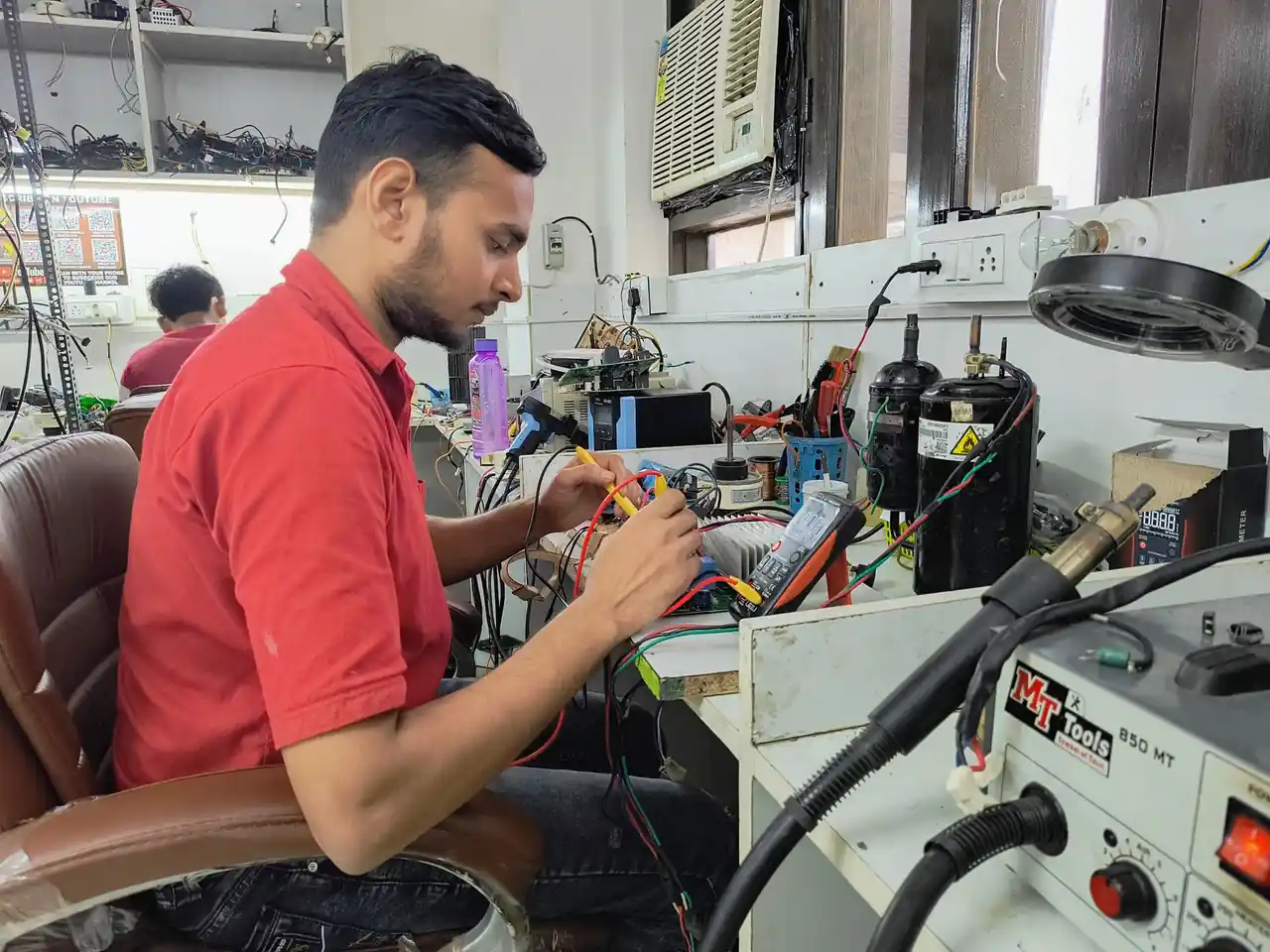
Manifold gauges on the service ports, clamp meter on the compressor, multimeter on the capacitor and contactor, plus a visual on the evaporator coil, blower wheel and drain pan. This is where we find the actual failure instead of guessing.
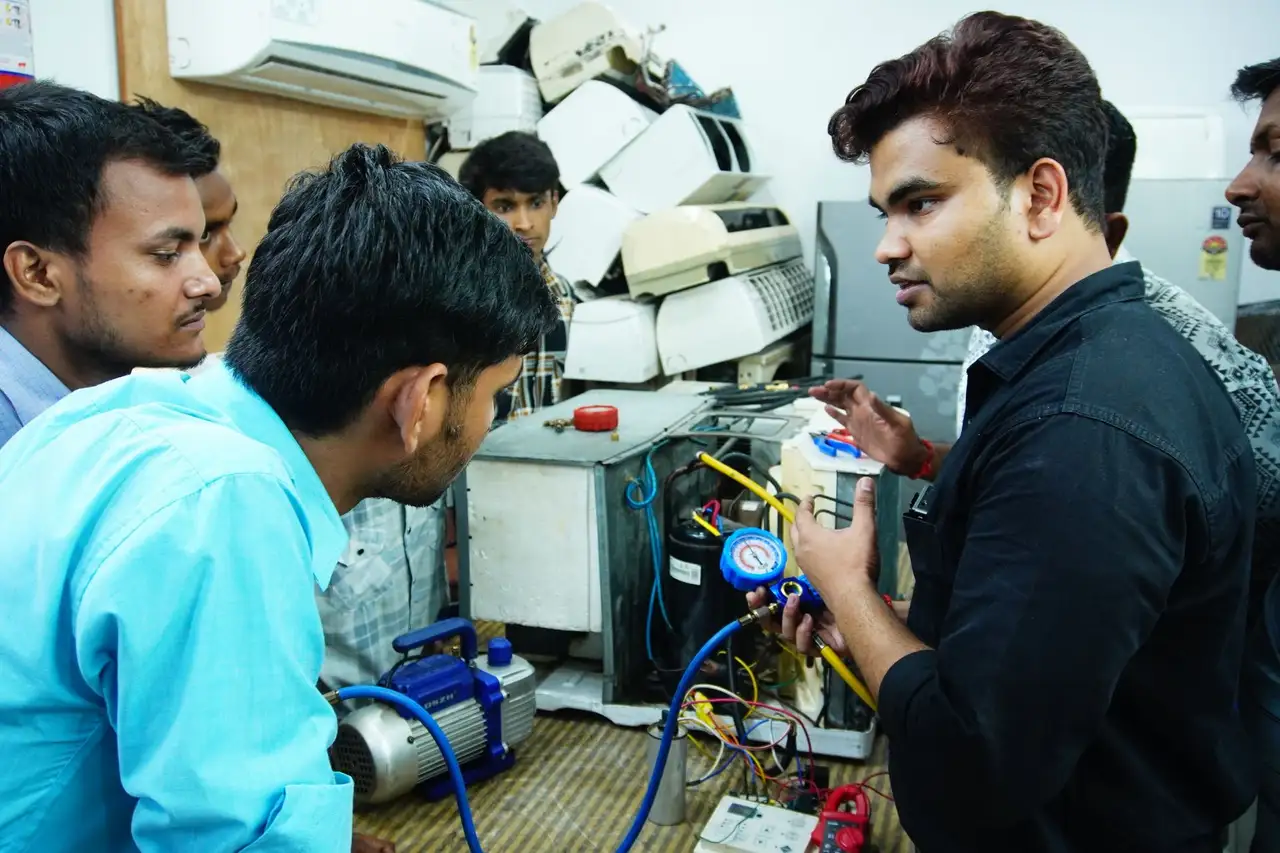
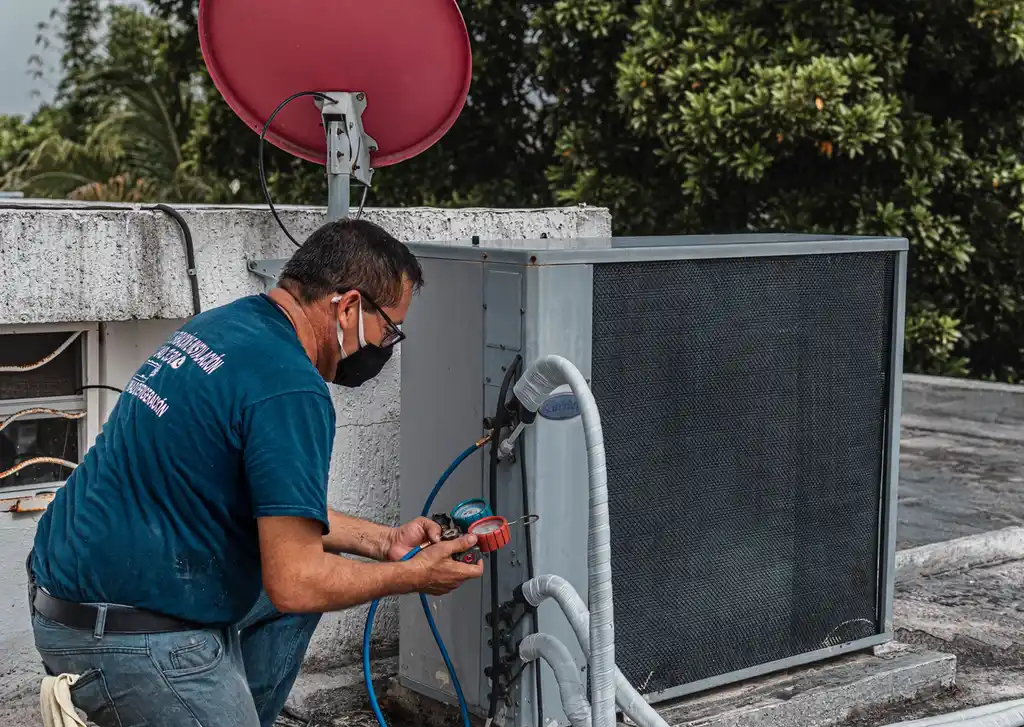
We read suction and liquid pressures against outdoor ambient temperature, then check superheat and subcooling. If the charge is off, we find out why before adding refrigerant, because a system that is low has a leak somewhere.
Condenser coils get rinsed with coil cleaner, and the evaporator drain line gets flushed and tested. A clogged drain in Las Vegas means water on the ceiling or a float switch that shuts the system down in the middle of August.
Capacitors get tested under load, contactors get checked for pitting, and the blower motor gets an amp reading against nameplate. These are the parts that fail first in desert heat, and they are cheap to replace before they take the compressor with them.
After the repair, we run the system 15-20 minutes and measure return and supply air temperatures. A properly charged system in Las Vegas should hold an 18-22 degree split. If it does not, we keep working until it does.
The approach is the same for a home and a business. What changes is the access, the schedule and who needs the paperwork.
We work on houses, condos and townhomes across the valley. You get a plain explanation of what failed and what it takes to fix it.
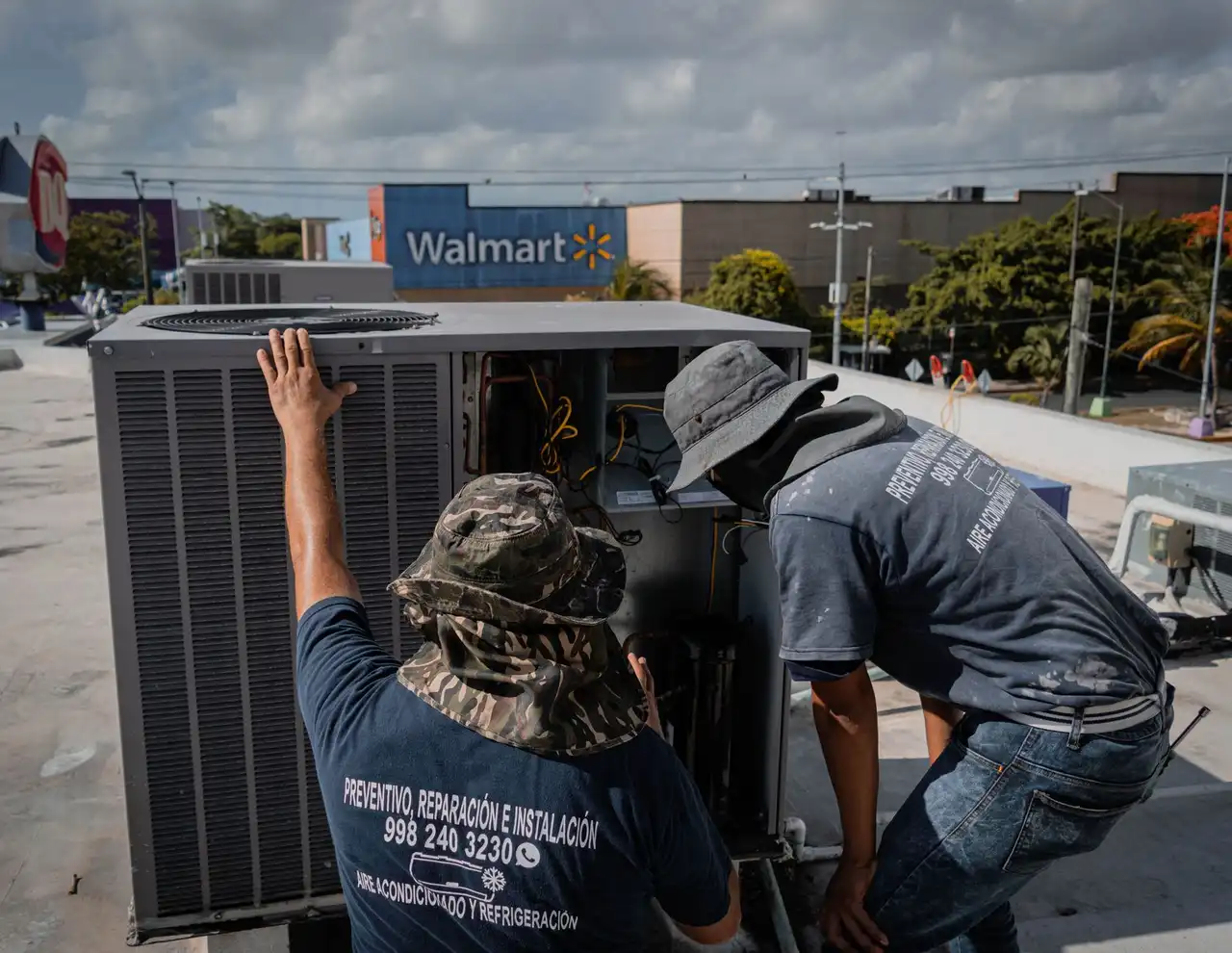
We service rooftop units and split systems for shops, offices and restaurants. Scheduling works around your operating hours so cooling stays on.
A plain-language look at what Air Conditioning Service involves and when it is needed.
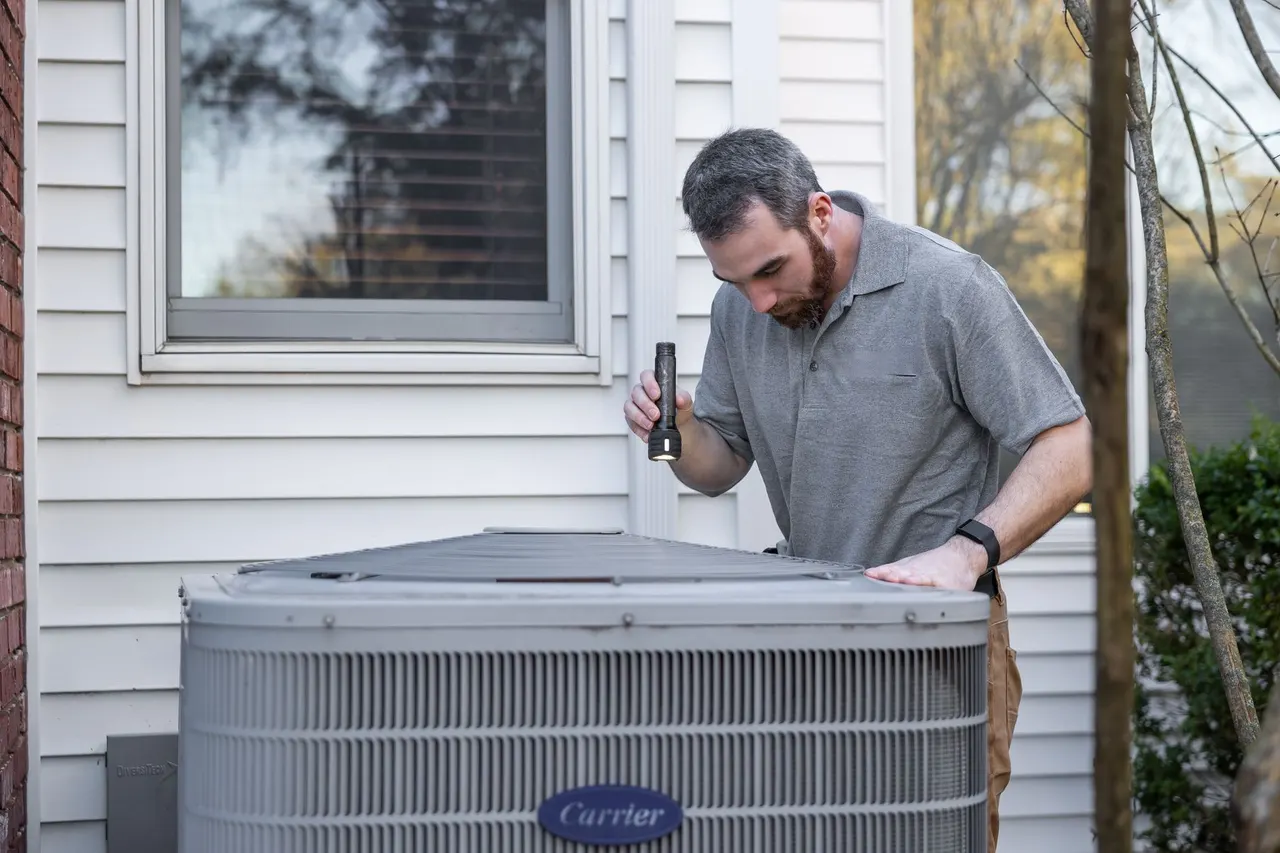
See how it worksAir Conditioning Service Las Vegas NV is a diagnostic and repair visit that finds out why your system stopped cooling and corrects it on the spot. A tech pulls the panel, checks the capacitor and contactor, hooks up a manifold gauge set to read pressures, then tests amp draw with a clamp meter. From there it is refrigerant charge, a clogged drain line, a failing blower motor or a condenser coil packed with desert dust. We verify the fix with a temperature split at the return and supply vents before we pack up.
Las Vegas summers push equipment harder than almost anywhere in the country. A system that runs 14 hours a day at 110 degrees wears capacitors, compressors and fan motors faster, and a unit that is 10 percent low on R-410A refrigerant can lose 20 degrees of cooling capacity. That is why we recommend an air conditioner service Las Vegas NV tune-up each spring, before the first 105-degree week hits. If you search air conditioning service Las Vegas NV near me in July, you are usually already in a breakdown.
Cooling problems get solved with readings, not guesses, and the numbers tell you what failed.
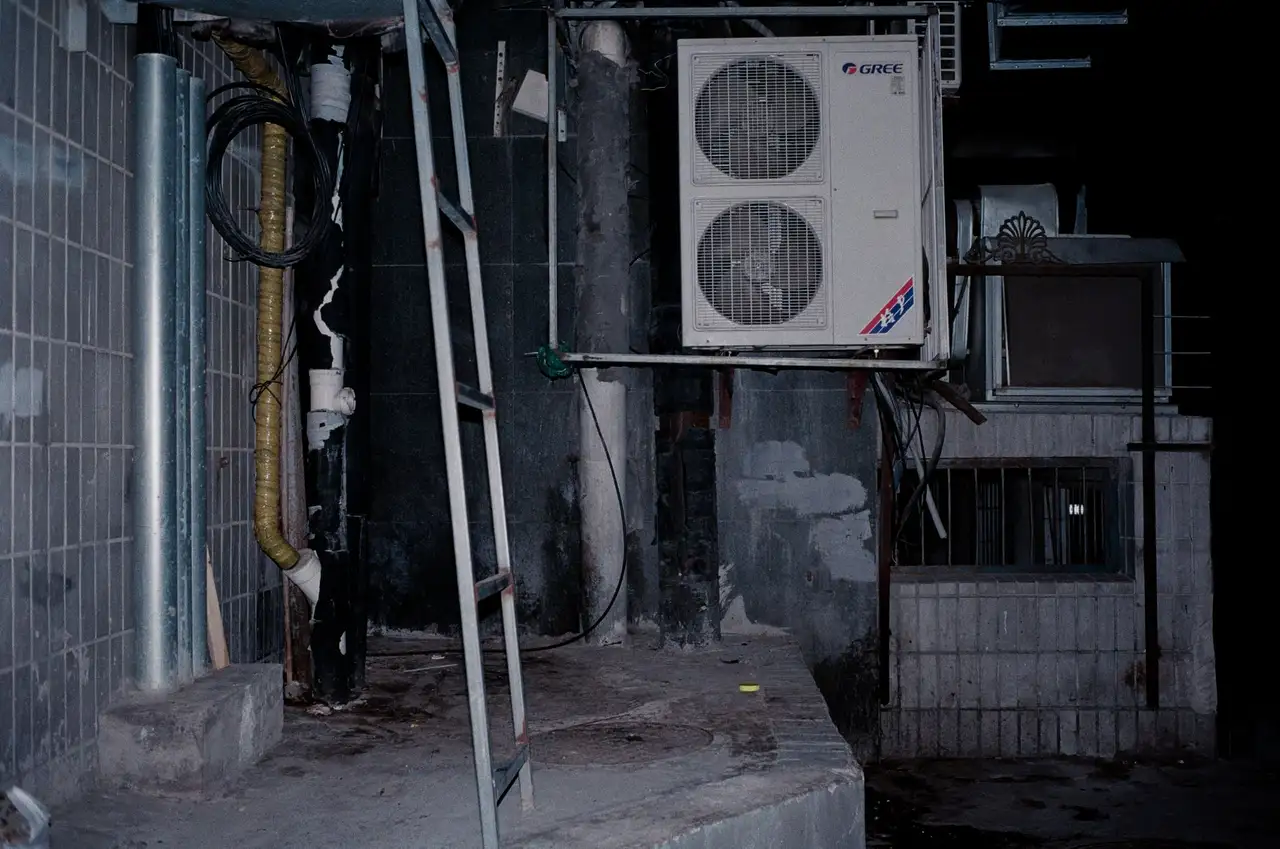
From the first phone call to the final temperature reading, here is exactly what happens when you book Air Conditioning Service Las Vegas NV with us.
Call or book online and tell us what the system is doing: warm air, no airflow, ice on the lines, water on the floor. We ask for the unit age and model so the tech loads the right parts. Most calls get a same-day window, and you get a text when the tech is on the way.
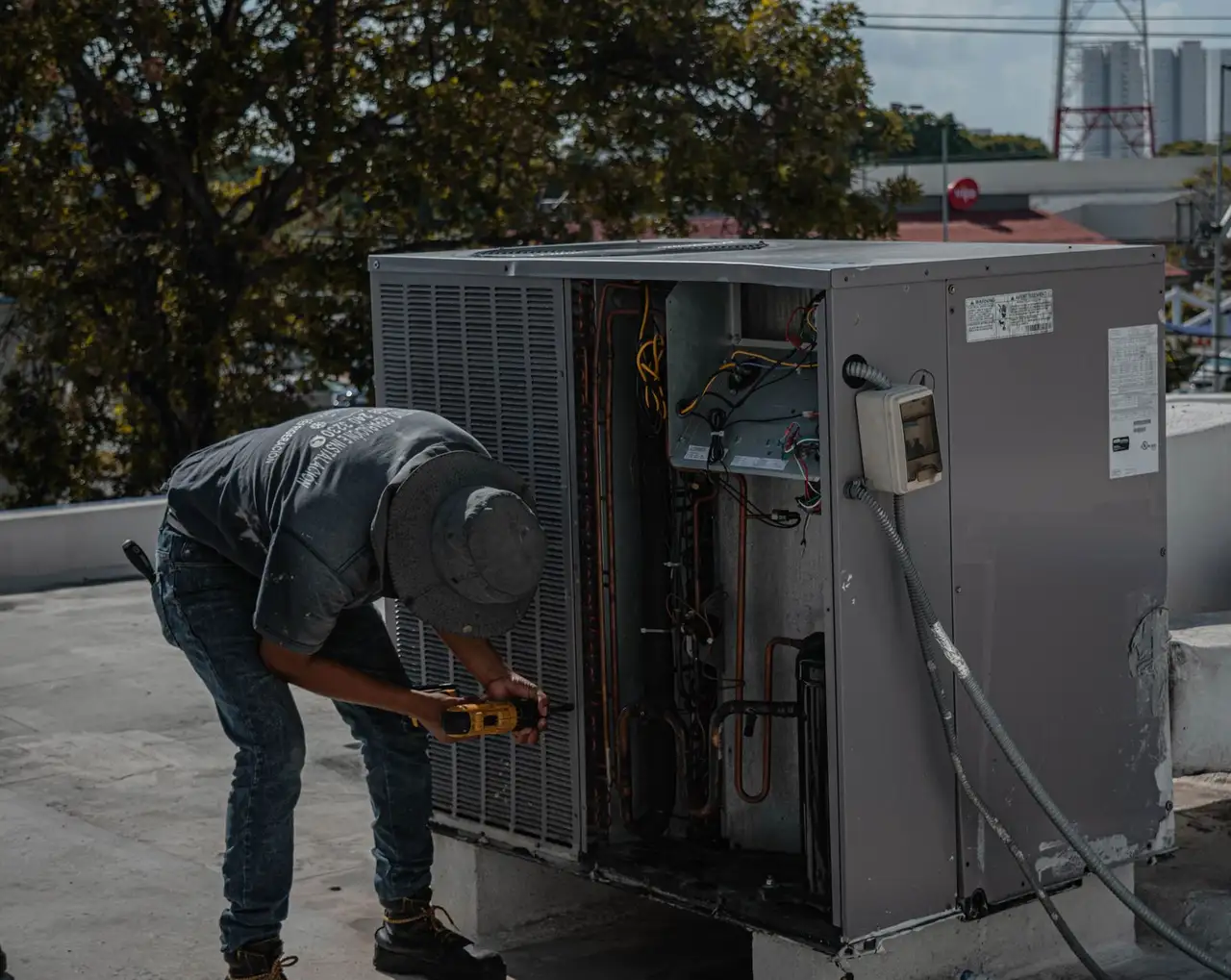
The tech walks the whole system, not just the outdoor unit. Manifold gauges on the service ports, a clamp meter on the compressor common wire, a multimeter on the capacitor and contactor, and a visual on the evaporator coil and drain pan. This takes 30-45 minutes and pinpoints the actual failure.
You get the finding in plain language: what failed, why it failed, and what it costs to fix. If there is a cheaper option that buys you a year or two, we say so. You approve the work before anything gets replaced, and the price does not move after that.
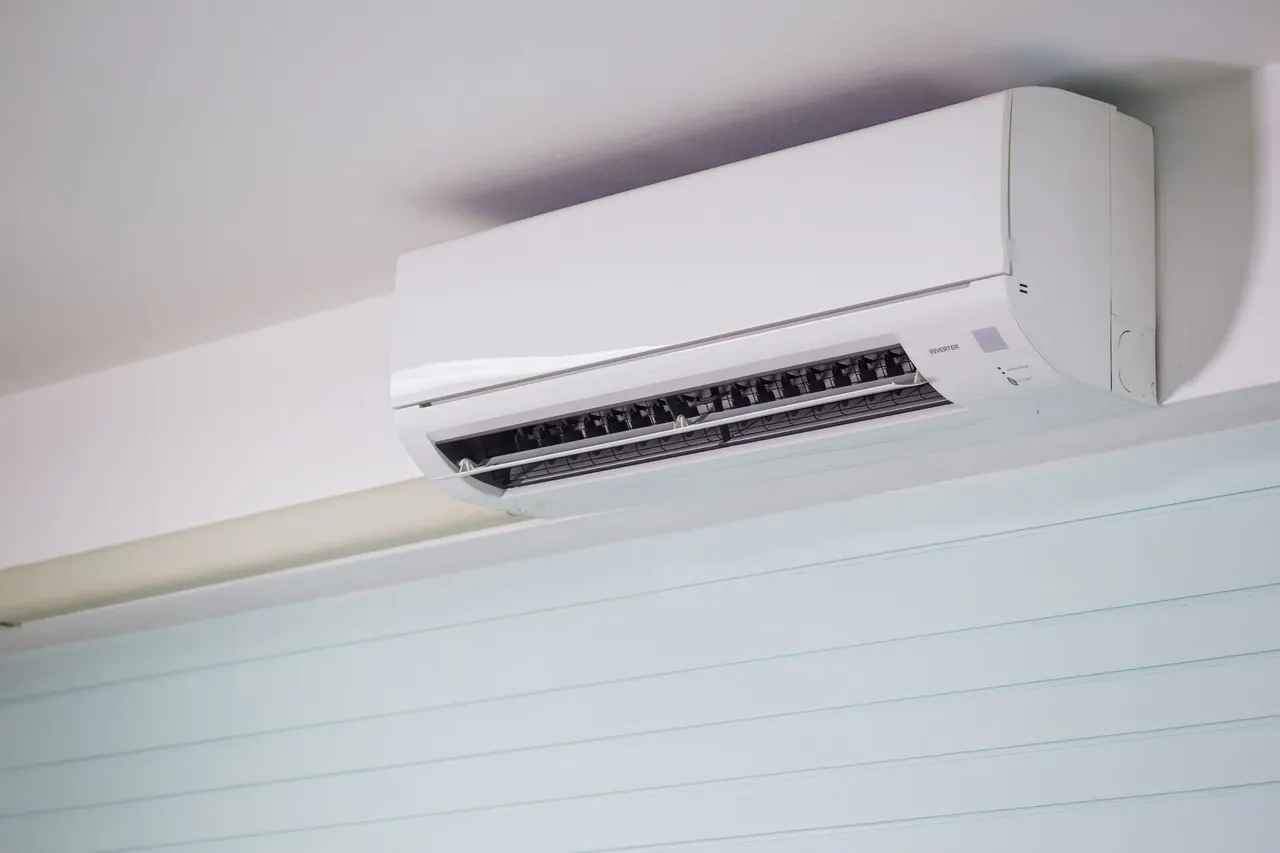
We replace the failed part, pull a fresh vacuum if the refrigerant circuit was opened, and weigh in the charge with a refrigerant scale. Then we run the system 15-20 minutes and measure the temperature split at the return and supply. If it is not in range, we keep working.
Before we leave, the tech shows you the old part, the new readings and the filter you should be running. You get a written log of pressures, amp draw and temperature split so the next visit starts with real numbers instead of guesswork.
Move across a circle, or focus it and press Enter, for an illustrative thermal view of the photograph.
Reads suction and liquid line pressures so we can calculate superheat and subcooling and confirm whether the refrigerant charge is correct.
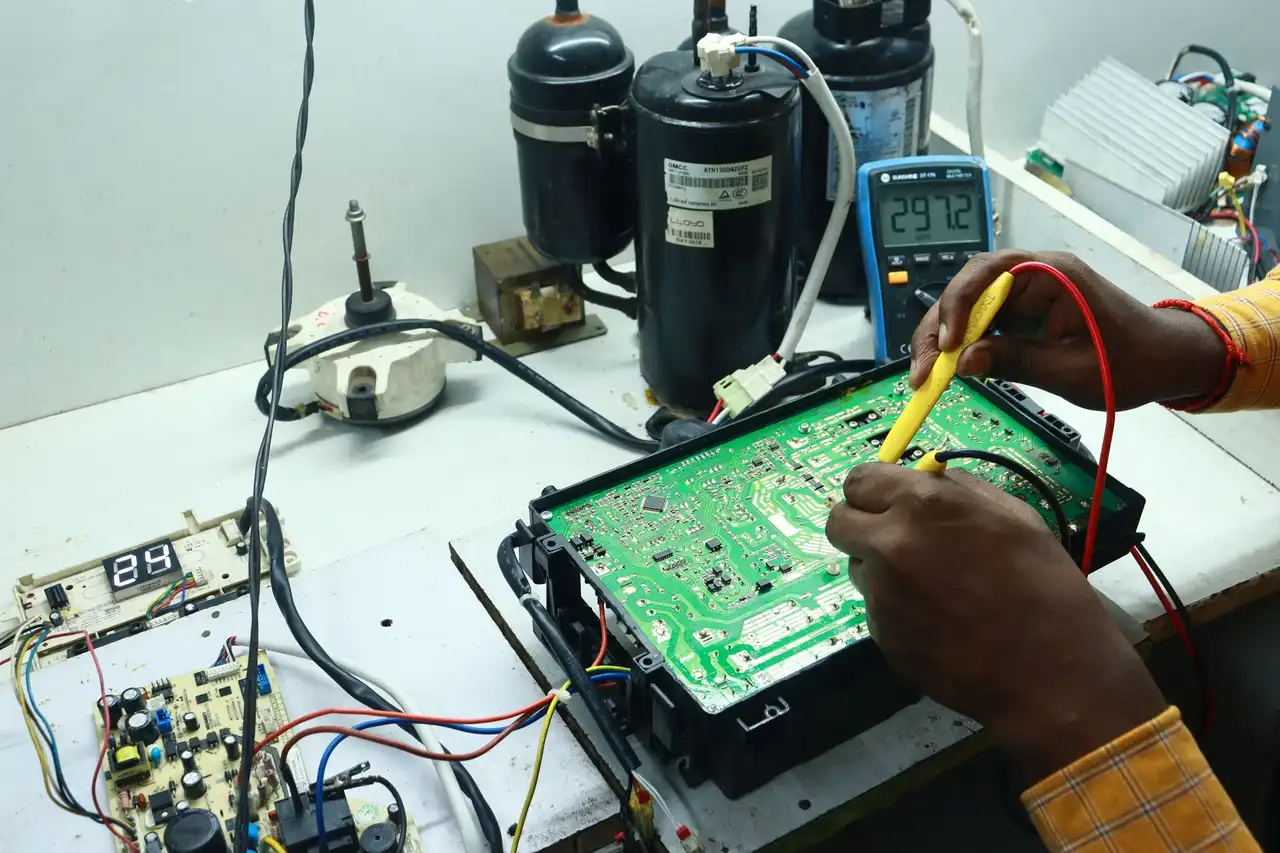
Measures compressor and blower motor amp draw and tests capacitors, contactors and control boards under real operating load.
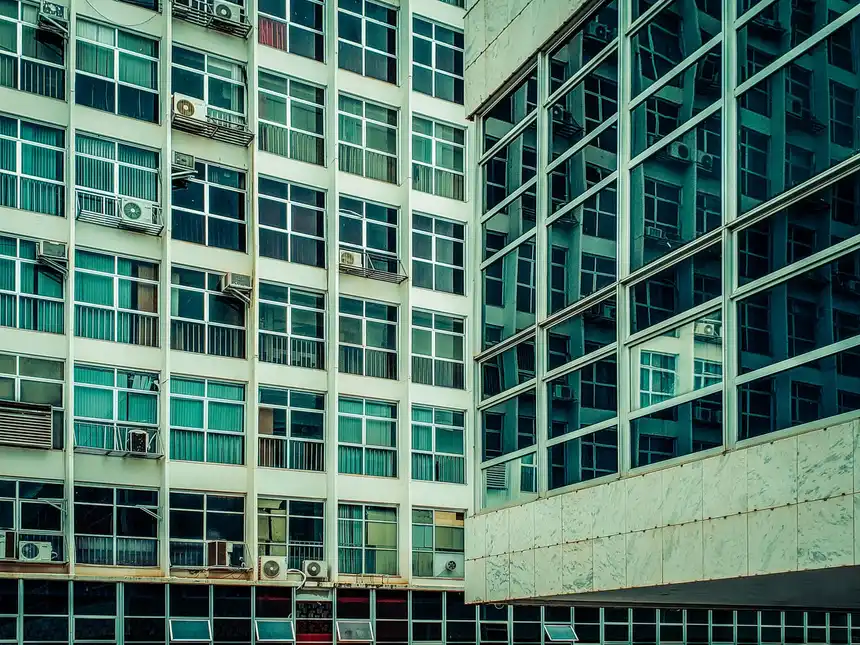
Pulls a deep vacuum after any repair that opens the refrigerant circuit, and recovers refrigerant safely per EPA Section 608 rules.
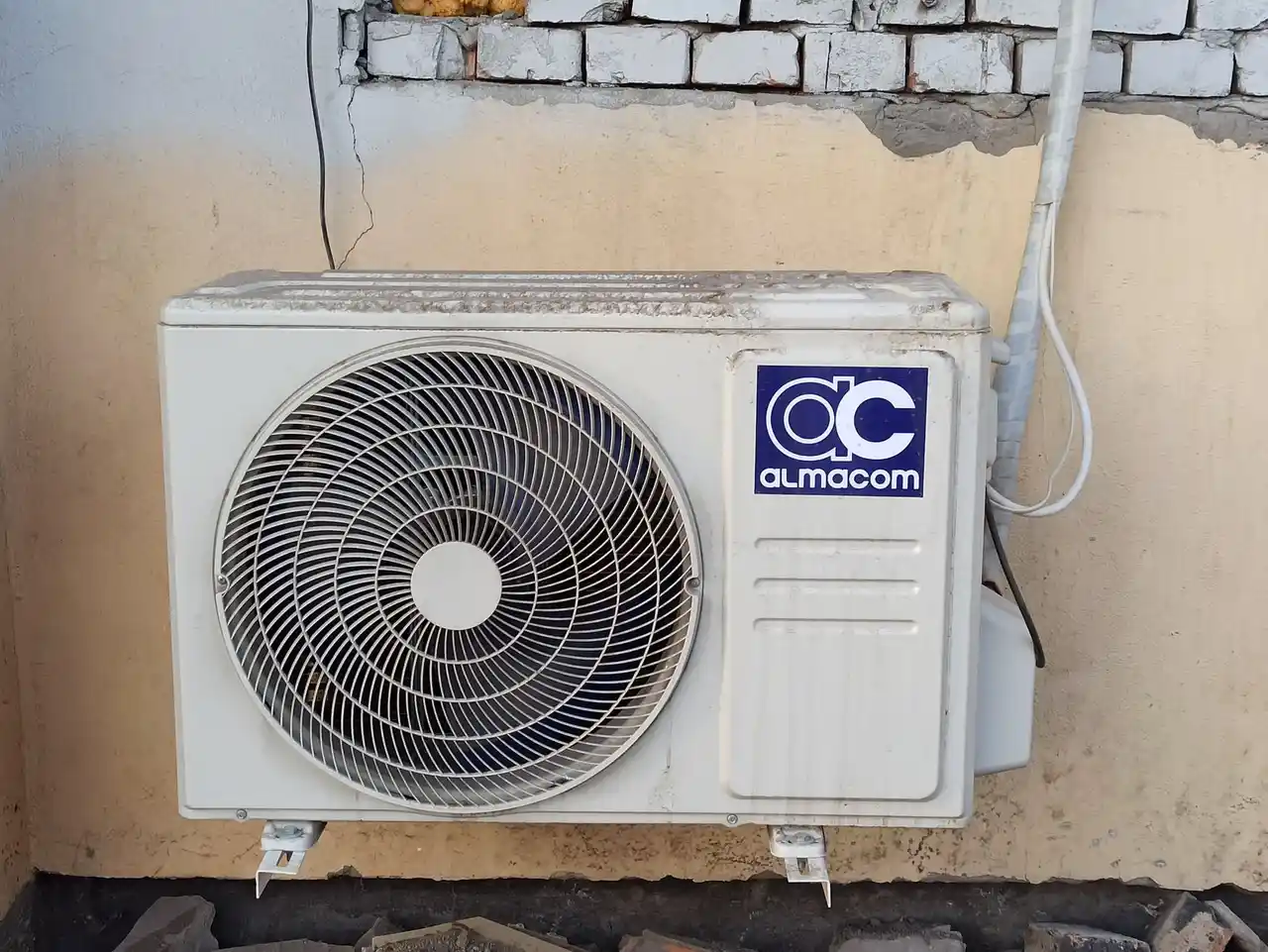
Weighs in R-410A or R-32 to the exact ounce the nameplate calls for, and finds leaks at flare fittings, coils and line sets.
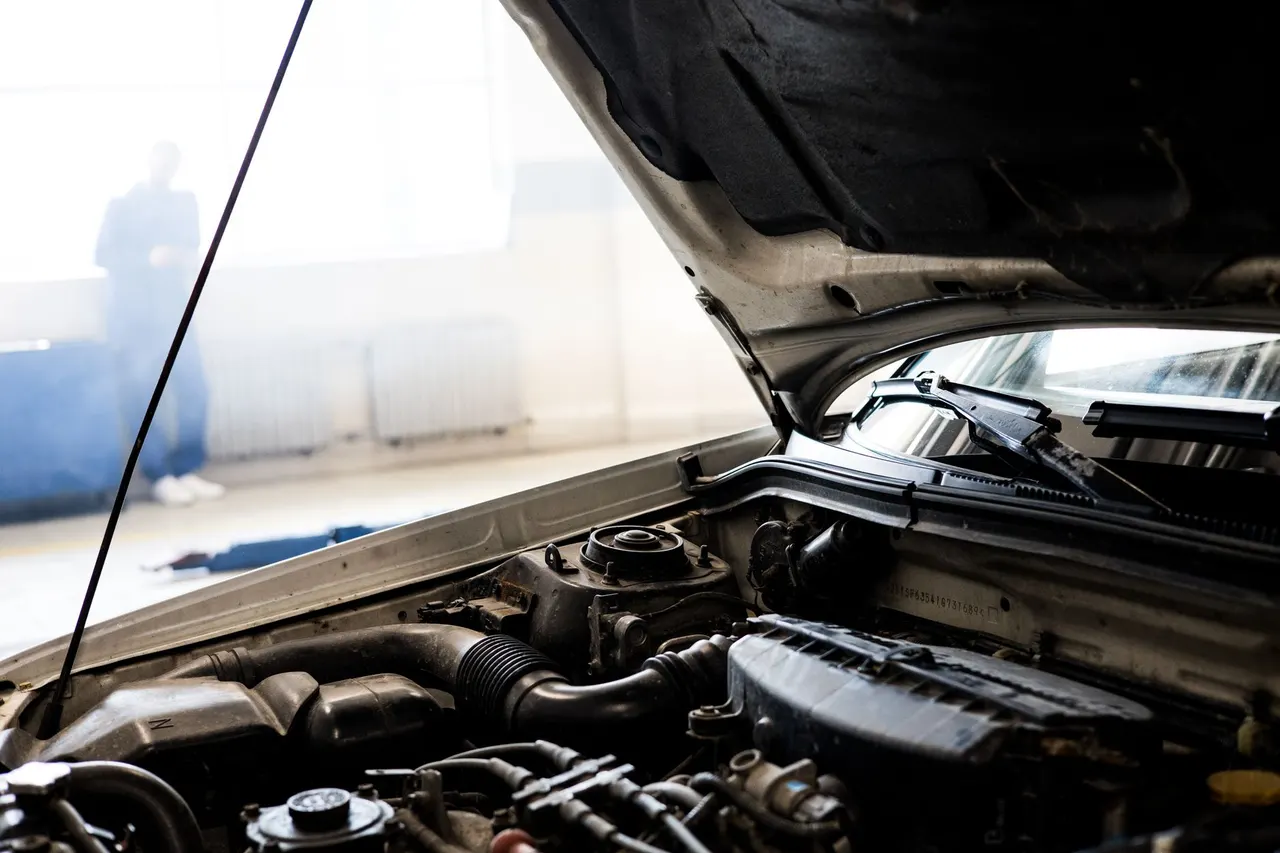
Breaks down the desert dust and cottonwood that pack condenser fins, and straightens bent fins so airflow returns to spec.
Thermal views are illustrative, generated from the photographs.
Verifies Nest and Ecobee thermostat calibration, static pressure and the return-to-supply temperature split after every repair.
Before any replacement quote, we calculate the actual heating and cooling load for your home based on square footage, window orientation, insulation and local design temperatures. Guessing by square footage is how homes end up with oversized units that short-cycle.
We charge refrigerant by measured superheat and subcooling rather than by pressure alone. That is the difference between a system that cools correctly at 110 degrees and one that is overcharged and slugging the compressor.
Every refrigerant recovery, recharge and leak repair follows EPA Section 608 procedures. We recover, recycle and document refrigerant so the job is compliant and the charge is exact.
Installations follow ACCA design standards, and every coil and condenser pairing we quote carries an AHRI match number. That protects the rated efficiency you paid for.
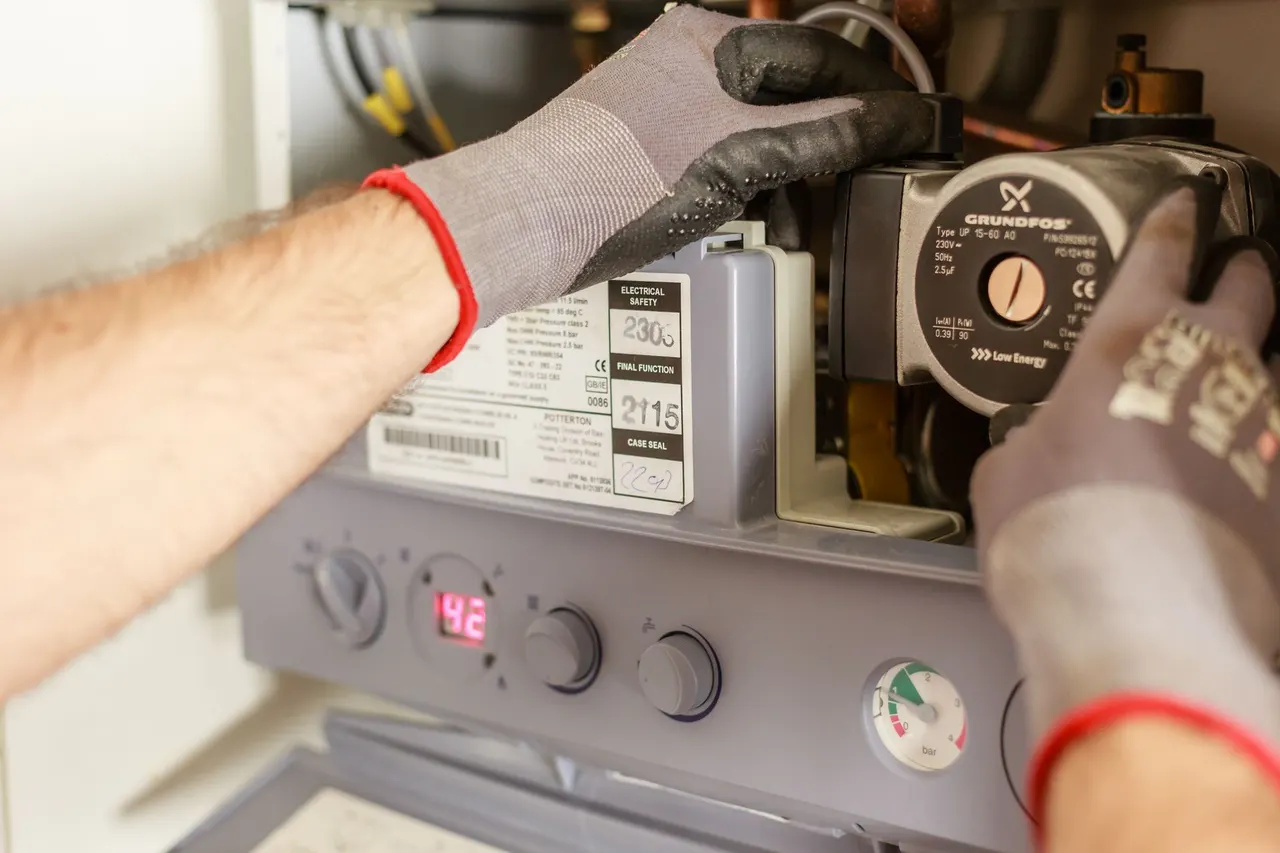
Your system quits on a 112-degree afternoon and the house is climbing past 85 degrees.
We prioritize breakdown calls and get a tech out with a fully stocked truck. The tech diagnoses the failure, quotes the repair and fixes it on the spot whenever the part is on the van, which it usually is.
Outcome: Cold air back the same day, with a temperature split reading to prove it. No waiting until the next morning in a hot house.
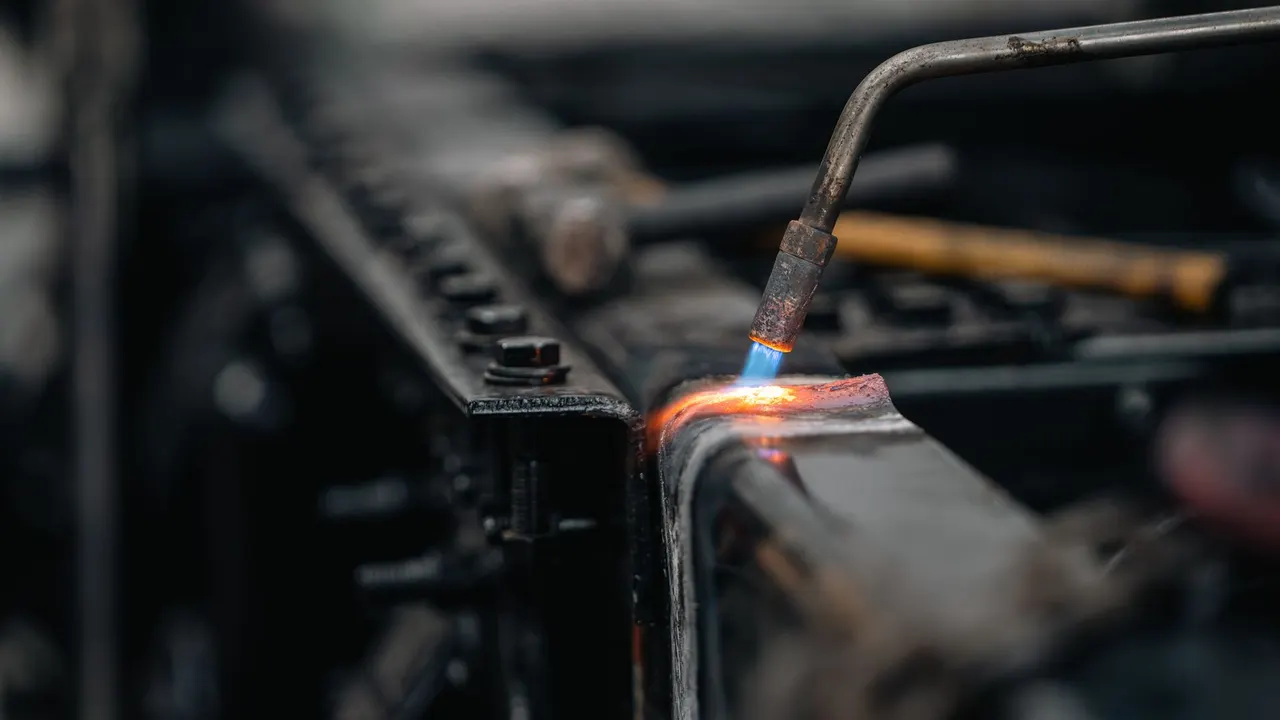
Your summer power bill jumped 20 percent and the system runs nonstop without keeping up.
We clean the condenser coil, check refrigerant charge, test the capacitor and verify amp draw against nameplate. A system running 15 percent over its rated amps is working harder than it should and costing you every hour.
Outcome: Lower amp draw, shorter run times and a bill that reflects a system running at its designed efficiency instead of fighting itself.
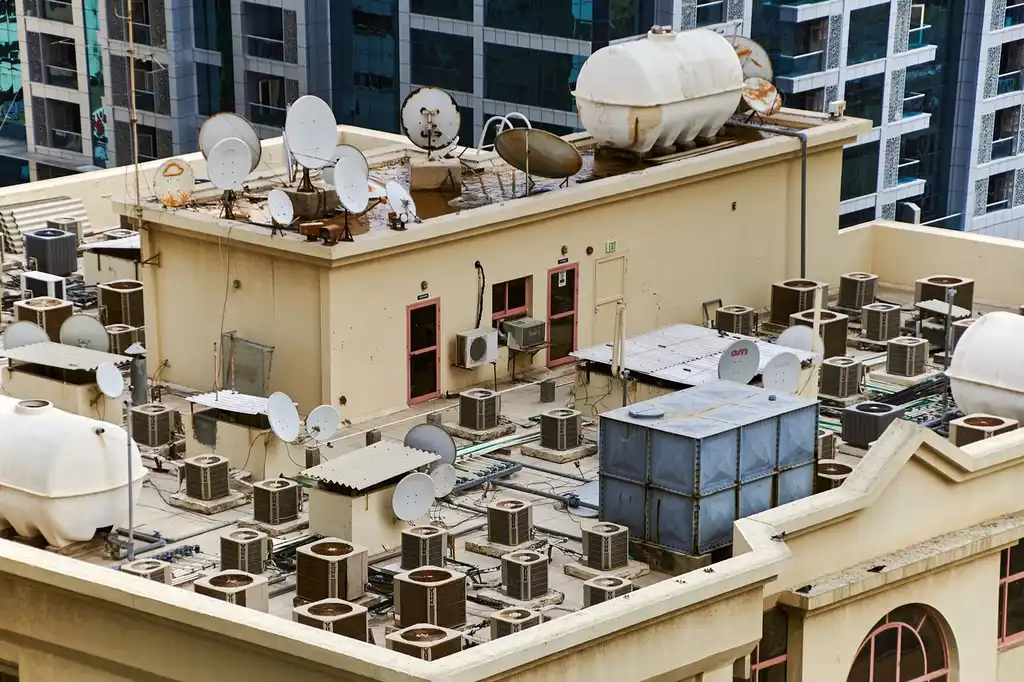
You are selling your home and the buyer's inspector flagged the AC as past its service life.
We do a full diagnostic, document pressures, amp draw and temperature split, and give you a written report. If repair is the smarter call, we handle it. If replacement is, you get a manual J sized quote to hand the buyer.
Outcome: A documented system condition that keeps the sale moving instead of turning into a negotiation over unknowns.
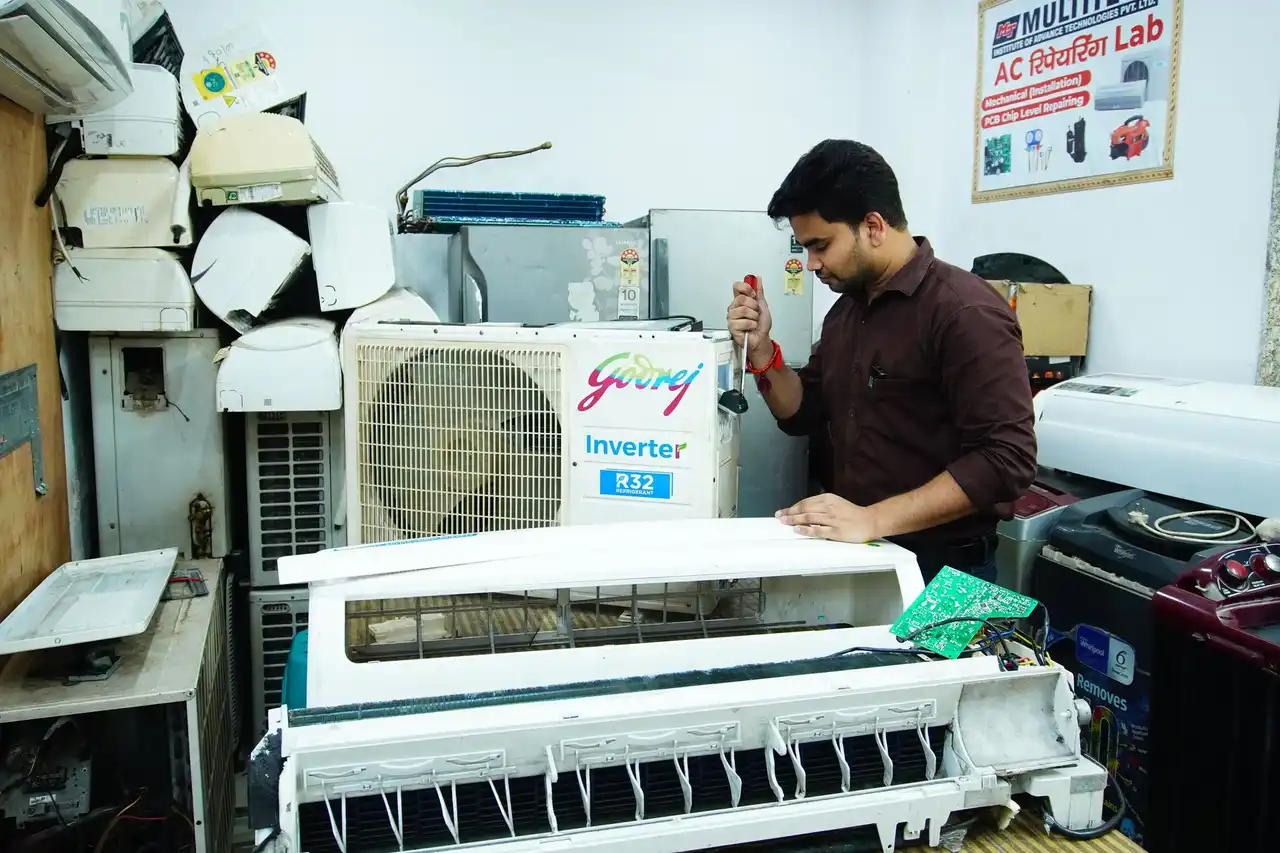
Your system is 13 years old and a tech from another company told you the compressor is failing.
We run our own diagnostic and give you the repair number and the replacement number side by side. Sometimes a compressor swap buys years. Sometimes it does not. You get the math, not a sales pitch.
Outcome: A decision you can defend, whether that is a repair that holds or a replacement that pays for itself in efficiency.
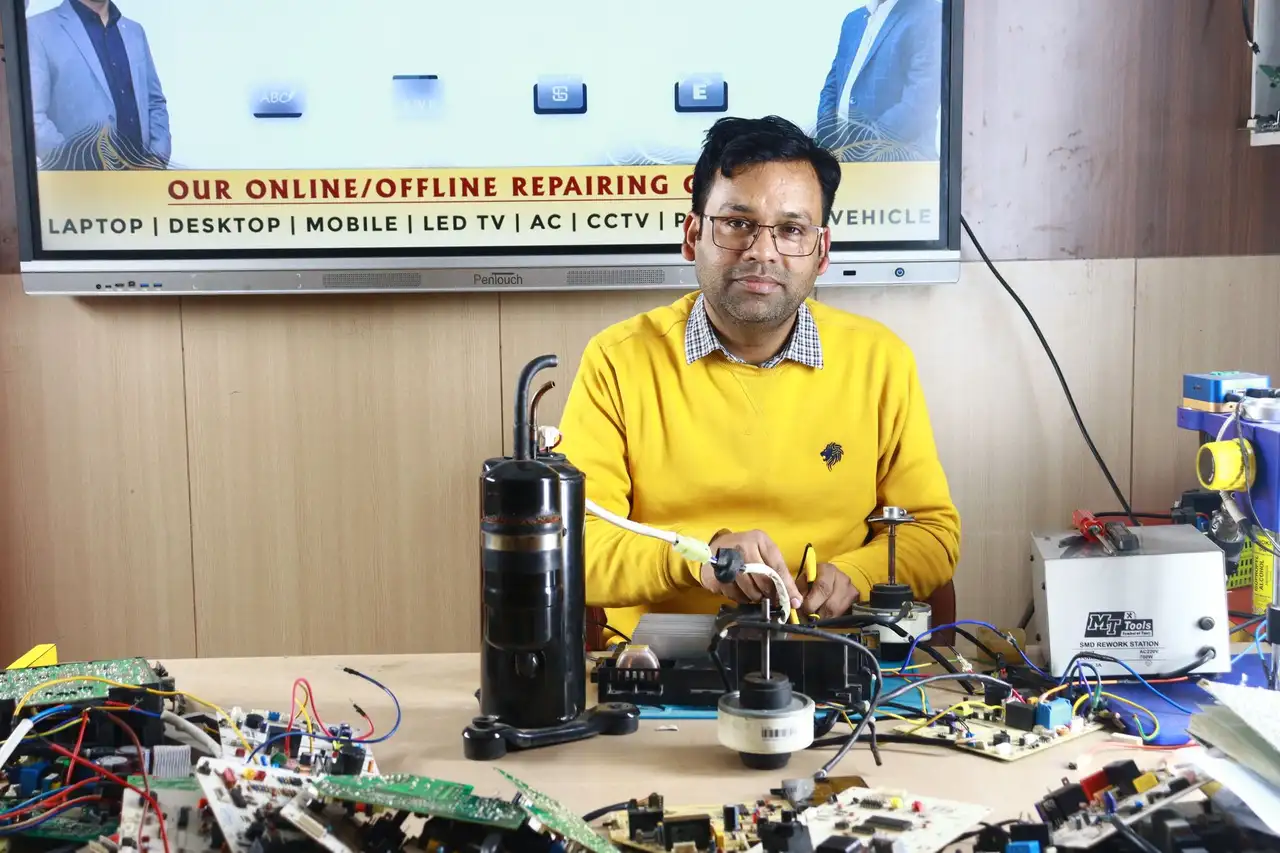
Las Vegas cooling work is different from almost anywhere else. Design temperatures here push past 110 degrees, and equipment runs 12 to 16 hours a day for four straight months. That duty cycle wears capacitors, contactors and fan motors faster, and it makes refrigerant charge accuracy matter more.
Homes in older downtown and Sunrise Manor neighborhoods often have original duct insulation and undersized returns, which drives up static pressure and starves the evaporator coil. Newer builds in Enterprise and Northwest Las Vegas tend to have variable-speed systems with inverter boards and communicating thermostats that need a tech who knows the electronics, not just the refrigerant side. We also deal with dust.
Condenser coils here load up with fine desert grit and cottonwood in weeks, not months, which is why we rinse coils on nearly every visit. If you are looking for air conditioning service in Las Vegas, Nevada that accounts for all of this, that is the work we do every day.
Before: A 2004 split system was blowing 74-degree air with the thermostat set to 72. The compressor was running, amp draw was low, and the capacitor tested 40 percent under its rated microfarads.
After: We replaced the capacitor, rinsed a condenser coil that had never been cleaned, and verified the charge. Supply air dropped to 57 degrees with an 18-degree temperature split, and amp draw came back to nameplate.
Rinse the condenser coil every spring and have the capacitor tested annually.
Before: An upstairs unit had ice on the suction line and a frozen evaporator coil. The filter was clogged, airflow was restricted, and the system had been short-cycling for a week before it stopped cooling entirely.
After: We thawed the coil, replaced the filter, tested the blower motor and confirmed the refrigerant charge was correct. The system held a 20-degree split through a full cooling cycle with no re-freeze.
Change the filter every 60 days in summer and keep return vents clear.
Before: A 2012 system in Summerlin was 15 percent low on R-410A and losing charge every season. Two other companies quoted full replacement because they could not find the leak.
After: We located the leak at a flare fitting with an electronic detector, repaired it, pulled a deep vacuum and weighed in the correct charge. The system has held its charge for two summers with no top-offs.
Have pressures checked each spring. A system that needs refrigerant every year has a leak, and finding it early is far cheaper than replacing a compressor.
Most calls come down to a handful of failures. Here is what we see most often and what happens if you let it ride.
A system that cools to spec and holds its charge through summer.
Most repairs finish in one visit because our trucks stock capacitors, contactors, thermostats and R-410A. We test the temperature split before and after, so you see the supply air drop from lukewarm to 55-58 degrees instead of taking our word for it.
A dirty condenser coil or an overcharged system can add 15-25 percent to a summer power bill. Cleaning the coil, correcting the charge and setting the right thermostat schedule brings amp draw back to the nameplate rating, and you feel it on the next NV Energy statement.
We check the parts that fail first in Clark County heat: capacitors, contactors, blower motors and drain lines.
If your system is 12 years old and facing a compressor swap, we give you the repair number and the replacement number side by side. You decide. No pressure, no scare tactics, just what the equipment is actually telling us.
Clear records you can keep and share.
Pressures, amp draw and split readings.
What was replaced and the old part shown.
The size and type your system needs.
What to watch and when to call.
Not every cooling problem needs the same response. Here is how we sort it out.
A seasonal service visit on a working system.
A failed part or charge problem gets corrected.
When repair cost outruns the equipment value.
A list like this tells people straight away whether you cover their street. Not listed? Call and ask: it only takes a minute.
Based in Las Vegas and covering the places around it. Pick one for local details.
Capacitor and contactor swaps sit at the low end, blower motor or refrigerant leak repairs at the high end. We quote the price before any work starts, so the number you hear is the number you pay.
Yes. We reserve same-day AC service Las Vegas NV slots for breakdowns, and calls booked before noon usually get a technician that afternoon. We text you a window and an arrival update, so you are not stuck at home guessing. If we cannot make it the same day, we tell you on the phone instead of stringing you along.
It usually does. A dirty condenser coil, a weak capacitor or a system 10 percent low on refrigerant can push a summer bill up 15-25 percent because the compressor runs longer to hit the thermostat setting. Cleaning coils, correcting the charge and testing amp draw against the nameplate rating brings the system back to its designed efficiency.
Once a year, ideally in March or April before the first 100-degree stretch. Desert dust loads condenser coils fast, and a spring tune-up catches weak capacitors and clogged drain lines while they are cheap to fix. Systems in older Las Vegas Valley neighborhoods with mature landscaping may need the coil rinsed twice a season.
Other services from the same team.
Warm vents and a thermostat that will not keep up are not going to fix themselves. Call us, tell us what the system is doing, and we will get a tech out with the parts to fix it. Upfront pricing before any work starts.
Call us any time, day or night, for no-cool emergencies. For routine service, we book morning and afternoon windows and confirm before we head your way. You can also email us with your address and a quick description of the problem, and we will get back to you fast.